In today’s fast-paced world of logistics and global trade, the demand for efficient, cost-effective, and eco-friendly shipping solutions has never been higher. One such solution that has gained significant traction in recent years is the slip sheet. This seemingly simple tool plays a vital role in modern shipping operations, offering numerous advantages over traditional packaging methods, including wooden pallets. In this comprehensive guide, we’ll delve into the concept of slip sheets in shipping, explore their benefits, applications, and how they compare to alternative options such as wooden pallets.
What is a Slip Sheet?
A slip sheet is a thin, flat sheet typically made of durable paperboard, plastic, or corrugated material, designed to replace the traditional wooden pallet used for transporting goods. Slip sheets are used as a platform for stacking and storing products in a shipping container, warehouse, or truck. They are particularly useful in industries where maximizing space, reducing weight, and improving efficiency are paramount.
Unlike traditional pallets, which are bulky and heavy, slip sheets are lightweight, cost-effective, and environmentally friendly. They allow for more efficient use of available space in shipping containers, reducing shipping costs and improving fuel efficiency. Slip sheets can be used in conjunction with specialized equipment such as push-pull attachments or forklifts to facilitate the easy movement of goods.
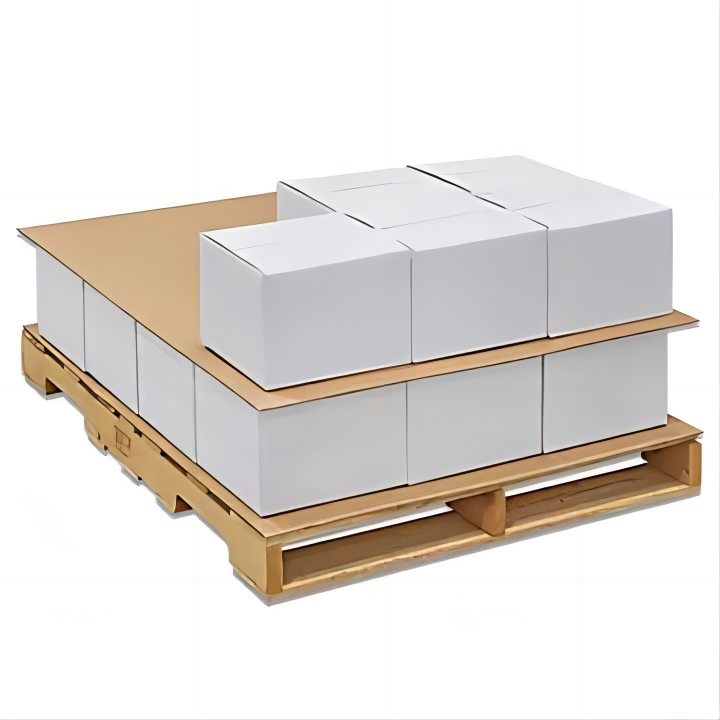
How Do Slip Sheets Work in Shipping?
Slip sheets are designed to work with specific handling equipment to move goods more efficiently. They are placed under products or stacked goods and can be pushed or pulled using a machine with a specialized attachment. These attachments can engage with the slip sheet, allowing the goods to be moved without the need for traditional forklifts or pallets.
Materials Used in Slip Sheets
Slip sheets can be made from various materials depending on the type of cargo they are meant to support and the shipping conditions. The most common materials used are:
Paperboard Slip Sheets: These are the most widely used and are typically made from recycled paper products. Paperboard slip sheets offer a lightweight, durable, and environmentally friendly alternative to wooden pallets. They are particularly popular for shipping goods such as electronics, apparel, and food products.
Plastic Slip Sheets: These are more durable and stronger than paperboard slip sheets and are often used for heavier loads or in environments where moisture resistance is essential. They can be reused multiple times and are typically used in industrial or high-volume shipping environments.
Corrugated Slip Sheets: A type of paperboard slip sheet, corrugated slip sheets provide additional strength and can support heavier loads. They are commonly used in the transportation of large or bulky goods, including machinery and automotive parts.
Advantages of Using Slip Sheets in Shipping
Slip sheets offer numerous benefits over traditional pallets, especially for businesses looking to optimize their shipping processes and reduce costs. Below are some key advantages of using slip sheets in shipping:
1. Cost Savings
One of the primary advantages of slip sheets is their cost-effectiveness. Traditional pallets can be expensive to purchase, maintain, and replace. On the other hand, slip sheets are typically more affordable and can be reused multiple times, reducing overall packaging and shipping costs. Businesses can save money on transportation, storage, and handling by using slip sheets instead of pallets.
2. Space Optimization
Slip sheets are significantly thinner and more compact than traditional pallets, allowing for more efficient use of available space in containers, trucks, and warehouses. This space-saving feature enables businesses to load more goods into each container, reducing the number of shipments required and lowering transportation costs. Moreover, slip sheets allow for greater flexibility in organizing goods, making them ideal for industries where maximizing storage space is a priority.
3. Weight Reduction
Unlike heavy wooden pallets, slip sheets are lightweight, making them an excellent choice for reducing the overall weight of shipments. Since shipping costs are often based on weight, using slip sheets can help reduce freight charges and improve fuel efficiency. This weight reduction can also contribute to lower carbon emissions, making slip sheets a more eco-friendly option for businesses looking to reduce their environmental impact.
4. Environmental Benefits
Environmental sustainability is becoming increasingly important in the shipping industry, and slip sheets are an eco-friendly alternative to traditional pallets. Made from recycled materials, such as paperboard or plastic, slip sheets can be recycled after use, reducing the amount of waste generated by shipping operations. Furthermore, slip sheets help conserve natural resources, such as wood, by eliminating the need for wooden pallets.
5. Improved Handling Efficiency
Slip sheets can be easily handled with specialized equipment such as push-pull attachments or forklifts, which reduces the need for manual labor. This streamlined handling process can increase efficiency in warehouses and shipping facilities by reducing handling time and labor costs. Additionally, because slip sheets are lightweight, they are easier to move and require less physical effort, further improving operational efficiency.
Applications of Slip Sheets in Shipping
Slip sheets have a wide range of applications across various industries. Some of the most common use cases include:
1. Container Loading and Unloading
Slip sheets are commonly used in container loading and unloading to maximize the space in shipping containers. By using slip sheets, businesses can stack goods more efficiently, ensuring that every inch of space in the container is utilized. This can lead to fewer shipments being needed, ultimately reducing transportation costs.
2. Warehouse Operations
In warehouses, slip sheets are used to store and organize goods more efficiently. Their lightweight design and ease of handling allow for quick stacking and retrieval of products. Slip sheets also help improve inventory management by enabling businesses to store more goods in the same amount of space.
3. Cross-Docking
Cross-docking is a logistics practice where products are transferred directly from inbound to outbound transportation without being stored for an extended period. Slip sheets are an ideal solution for cross-docking operations, as they facilitate the rapid movement of goods between different transportation modes, reducing storage time and speeding up the shipping process.
4. Export and International Shipping
For international shipping, slip sheets are an excellent option for optimizing space in shipping containers. They allow businesses to maximize the amount of cargo they can load, reducing the number of containers needed for shipping. This is especially important for companies engaged in global trade, as it helps them reduce transportation costs and improve supply chain efficiency.
Slip Sheets vs. Pallets: A Comparison
While slip sheets offer several advantages, it’s important to compare them with traditional wooden pallets to understand the differences and benefits of each option. Here’s a comparison table that outlines the key differences between slip sheets and wooden pallets:
| Feature | Slip Sheets | Wooden Pallets |
| Cost | More affordable and reusable | Higher upfront cost, requires maintenance |
| Weight | Lightweight | Heavy and bulky |
| Space Efficiency | More compact, better space utilization | Bulkier, takes up more space |
| Environmental Impact | Made from recycled materials, eco-friendly | Contributes to deforestation, harder to recycle |
| Durability | Reusable multiple times, but can be damaged | Long-lasting, but requires maintenance |
| Handling | Requires specialized equipment | Can be handled manually or with equipment |
| Load Capacity | Suitable for lighter loads, some plastic options for heavier loads | Better suited for heavier loads |
Conclusion
In conclusion, slip sheets are a valuable tool in modern shipping and logistics, offering a range of benefits over traditional wooden pallets. They are cost-effective, space-efficient, lightweight, and environmentally friendly, making them an ideal solution for businesses looking to streamline their shipping processes and reduce costs. Whether you're involved in container loading, warehousing, or international shipping, slip sheets can help improve efficiency, reduce waste, and contribute to a more sustainable supply chain. As global trade continues to evolve, slip sheets are likely to play an increasingly important role in the future of logistics and transportation.
By adopting slip sheets, businesses can optimize their supply chain operations, reduce costs, and make a positive impact on the environment. As the shipping industry continues to innovate, slip sheets offer a simple yet effective solution to many of the challenges faced by businesses in the modern logistics landscape.


