Are you looking for eco-friendly packaging that stands out? Food-grade paper tube packaging is revolutionizing retail. This packaging not only enhances product presentation but also supports sustainability efforts. In this guide, you'll learn about its significance in retail and its environmental benefits.
Current Trends in Food-Grade Paper Tube Packaging
Food-grade paper tube packaging is rapidly gaining traction across the retail industry. Its rising popularity reflects a shift in how brands approach product presentation, sustainability, and consumer engagement.
Growing Popularity Among Brands
More food brands are choosing paper tube packaging because it combines function and style. It offers a fresh alternative to traditional containers like plastic jars or metal tins. Brands appreciate its ability to protect food while providing an eye-catching, premium look that appeals to modern shoppers. This packaging type works well for a range of products, from snacks and confectionery to powdered supplements and dry goods.
Adoption by High-End and Small Businesses
Both luxury brands and small businesses are adopting paper tube packaging. High-end brands use it to elevate their product image, highlighting quality and eco-conscious values. Small businesses find it an affordable way to stand out on crowded shelves, offering customization options that help build brand identity. Its versatility allows for unique designs, colors, and finishes, which cater to diverse market segments.
Integration with Eco-Friendly Initiatives
Sustainability drives much of the recent interest in paper tube packaging. Consumers increasingly demand environmentally responsible options. Brands respond by integrating paper tubes made from recyclable or biodegradable materials into their packaging strategies. Many companies now combine paper tubes with renewable inks, water-based adhesives, and minimal plastic components to reduce environmental impact. This integration aligns packaging with broader corporate social responsibility goals and appeals to eco-conscious consumers.
Paper tube packaging also supports circular economy principles by facilitating easier recycling compared to multi-material packaging. Brands promoting zero-waste or reduced plastic use often highlight paper tubes as a key part of their green initiatives.
Benefits of Food-Grade Paper Tube Packaging
Food-grade paper tube packaging offers multiple advantages that make it a smart choice for retail food products. Its benefits span environmental, branding, protection, functionality, and cost aspects, all of which appeal to both brands and consumers.
Environmental Protection and Sustainability
Paper tubes use renewable, recyclable materials that reduce plastic waste and carbon footprints. Many are made from sustainably sourced paper, biodegradable adhesives, and water-based inks. This eco-friendly profile supports green initiatives and meets consumer demand for responsible packaging. By choosing paper tubes, brands contribute to a circular economy, promoting reuse and recycling.
High Customization and Brand Identity
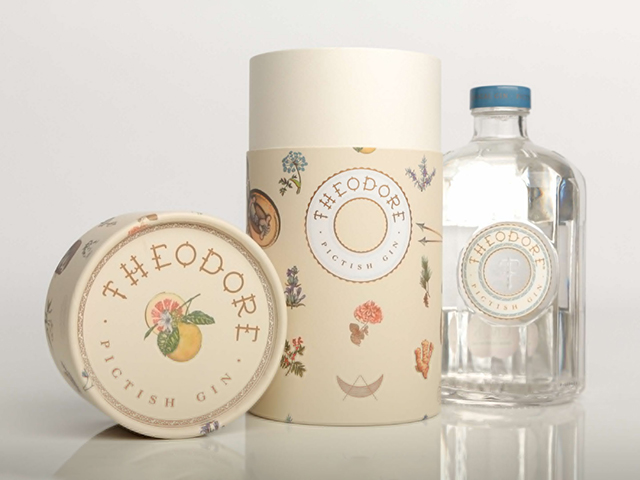
Paper tubes provide ample room for creative branding. They can be printed with vibrant colors, logos, and artwork using various finishes like matte, gloss, or soft-touch lamination. Embossing, debossing, and foil stamping add luxury touches. Custom sizes and shapes help products stand out on shelves and convey brand values. This flexibility lets brands tailor packaging to target markets and seasonal promotions.
Superior Protective Performance
These tubes protect food from physical damage, moisture, light, and air, preserving freshness and quality. The sturdy paper construction withstands shocks and pressure during transport and handling. Food-grade linings inside the tubes prevent contamination and extend shelf life. Sealing options like airtight lids or shrink bands enhance freshness retention.
Multifunctionality and Convenience
Paper tubes suit various food types—dry goods, snacks, powders, confections—and adapt to different retail formats. They are lightweight, stackable, and easy to store. Consumers find them convenient to open, reseal, and reuse for storage. Some designs include transparent windows or shaker tops, adding functional value.
Cost-Effectiveness
Compared to plastic or metal containers, paper tubes are often more affordable to produce and ship due to their lightweight nature. Their efficient manufacturing processes reduce waste. Customization options allow brands to balance cost and design impact. Overall, paper tubes deliver value without compromising quality or aesthetics.
Basic Requirements for Food-Grade Paper Tube Packaging
When selecting food-grade paper tube packaging, several critical factors ensure the product remains safe, fresh, and appealing. These requirements focus on materials, sealing, structural strength, and shelf life extension, all vital for maintaining food quality and consumer trust.
Food-Grade Materials
The foundation of food-safe packaging lies in using materials approved for direct food contact. Food-grade paper tubes must be made from non-toxic, odorless, and tasteless paperboard. Typically, manufacturers use sustainably sourced kraft paper or coated paperboard that meets regulatory standards such as FDA or EU food contact guidelines.
Inside the tube, a food-grade lining often enhances protection. This lining can be made from biodegradable or recyclable materials like PLA (polylactic acid) or special food-safe wax coatings. It prevents contamination and stops moisture, oils, or grease from seeping through the paper, preserving the product's integrity.
Sealing and Freshness Preservation
Effective sealing is essential to keep food fresh and safe from external factors like air, moisture, and microbes. Food-grade paper tubes use various sealing methods:
Airtight lids made from food-safe plastic or metal provide a reliable barrier.
Heat-sealed or shrink-wrapped ends add extra protection.
Tamper-evident bands or seals reassure consumers about product safety.
These sealing options help lock in aroma and flavor while preventing spoilage. Some tubes also incorporate resealable lids, allowing consumers to maintain freshness after opening.
Structural Integrity
Paper tubes must withstand handling, transportation, and shelving without deforming or breaking. Structural integrity depends on:
The thickness and density of the paperboard layers.
The quality of adhesives used in the spiral winding process.
Reinforced end caps that fit securely.
High-quality paper tubes resist crushing, dents, and moisture damage. This durability ensures the food arrives in perfect condition and maintains shelf appeal.
Shelf Life Extension
Extending shelf life requires a combination of material choice, sealing, and barrier properties. Food-grade paper tubes often feature:
Barrier coatings that block oxygen and moisture.
UV protection layers to prevent light degradation.
Insulation properties to moderate temperature changes.
These features slow down spoilage and maintain food safety over time, reducing waste and improving customer satisfaction.
Options for Food-Grade Paper Tube Packaging
Food-grade paper tube packaging comes in various forms, each designed to meet different needs in the retail food industry. Understanding these options helps brands select the right packaging that balances protection, sustainability, and aesthetics.
Composite Paper Canister: The Preferred Solution for Food Packaging
Composite paper canisters are a popular choice for food packaging due to their layered construction. They typically consist of multiple materials, including paperboard, plastic, and sometimes aluminum foil. This combination offers excellent barrier properties against moisture, oxygen, and light, which are critical for preserving food freshness.
Material Composition:
Outer layer: Printed paperboard for branding and protection.
Inner layers: Plastic or foil linings that provide moisture and oxygen barriers.
Adhesives: Food-safe glues bonding layers together.
Advantages:
Superior protection extends shelf life.
Strong structural integrity resists crushing and deformation.
Suitable for a wide range of food products, including snacks, powdered ingredients, and confections.
Can incorporate airtight lids and tamper-evident seals.
Application Areas:
Composite canisters are ideal for products requiring high freshness retention, such as coffee, nuts, protein powders, and specialty snacks. Their robust barrier properties make them suitable for export and long-distance shipping.
Paper-Base Paper Tube: An Eco-Friendly and Versatile Food Packaging Solution
Paper-base paper tubes are primarily made from layers of kraft or recycled paperboard. They rely on the natural strength of paper fibers and often include a food-grade lining to prevent contamination and moisture ingress.
Material Composition:
Multiple layers of kraft or recycled paperboard.
Food-safe inner coatings like PLA (polylactic acid) or wax.
Water-based adhesives for bonding layers.
Advantages:
Highly sustainable, often fully recyclable and biodegradable.
Lightweight, reducing transportation costs.
Offers customization through printing and finishing options.
Suitable for dry foods and snacks.
Disadvantages:
Generally lower barrier protection compared to composite canisters.
May require additional sealing methods to maintain freshness.
Vulnerable to moisture if not properly coated.
Application Scenarios:
Paper-base tubes work well for products with shorter shelf lives or those sold locally, such as granola, dried fruit, and herbs. They appeal to brands emphasizing eco-friendliness and minimal environmental impact.
Material Composition and Advantages Summary
| Packaging Type | Key Materials | Advantages | Typical Uses |
| Composite Paper Canister | Paperboard, plastic/foil lining | High barrier protection, durability | Coffee, nuts, protein powders |
| Paper-Base Paper Tube | Kraft/recycled paperboard, PLA/wax lining | Eco-friendly, recyclable, lightweight | Dry snacks, herbs, granola |
Application Areas
Food-grade paper tubes find use across many retail food sectors:
Snacks and Confectionery: Chips, nuts, candies packaged in sturdy, attractive tubes.
Powdered Products: Protein powders, spices, baking mixes benefit from airtight composite canisters.
Dry Goods: Granola, cereals, dried fruits packaged in eco-friendly paper-base tubes.
Specialty Foods: Organic, artisanal products leverage custom printing and sustainable materials.
Brands often select tube types based on product sensitivity, shelf life needs, and sustainability goals.
Customization Process for Food-Grade Paper Tube Packaging
Customizing food-grade paper tube packaging requires a clear understanding of the food product, selecting suitable materials, considering sustainability, and seeking expert advice. These steps ensure the packaging protects the food, aligns with brand values, and meets regulatory standards.
Understanding Food Characteristics and Needs
Knowing your food product is the first step. Consider these factors:
Food Type: Dry goods, powders, snacks, or confections have different packaging needs. For example, powders need airtight seals to prevent moisture, while snacks may require sturdy tubes to avoid crushing.
Shelf Life Requirements: Products with longer shelf lives need packaging that blocks oxygen and moisture effectively. Perishables require extra freshness preservation features.
Market Positioning and Brand Image: Premium brands may want luxurious finishes and embossing, while eco-conscious brands prioritize recyclable or biodegradable materials.
Understanding these helps tailor packaging to protect the food and appeal to target customers.
Choosing the Right Packaging Materials and Types
Select materials based on food type and protection needs:
Composite Paper Canisters: Combine paperboard with plastic or foil linings. Ideal for high-barrier protection, extending shelf life for sensitive products like coffee or protein powders.
Paper-Base Paper Tubes: Made mostly of kraft or recycled paperboard with food-safe coatings. Best for dry snacks or products with shorter shelf lives. They offer excellent sustainability but less barrier protection.
Linings and Coatings: Food-safe PLA, wax, or other biodegradable coatings prevent contamination and moisture ingress.
Sealing Options: Airtight lids, shrink wraps, and tamper-evident seals help maintain freshness.
Material choice balances protection, cost, and environmental impact.
Environmental and Sustainability Considerations
Sustainability is key in today’s market:
Use recyclable or biodegradable materials to reduce waste.
Opt for water-based inks and adhesives to minimize toxic chemicals.
Choose packaging compatible with circular economy principles for easy recycling.
Consider lightweight designs to lower transportation emissions.
Brands should align packaging choices with their environmental goals to attract eco-conscious consumers.
Professional Advice and Guidance
Collaborate with packaging experts to:
Ensure compliance with food safety regulations (FDA, EU standards).
Select the best material combinations for your product.
Optimize design and printing for brand impact.
Address logistical challenges like durability during shipping.
Experts can also help navigate challenges like moisture resistance and recycling complexities.
Challenges and Solutions in Food-Grade Paper Tube Packaging
Food-grade paper tube packaging offers many benefits, but it also faces specific challenges. Addressing moisture and grease resistance, ensuring durability during transportation, and overcoming recycling difficulties are key to delivering safe, effective, and sustainable packaging solutions.
Addressing Moisture and Grease Resistance
Paper tubes naturally absorb moisture and grease, which can compromise food safety and packaging integrity. This is a significant challenge, especially for oily or high-moisture foods like nuts, snacks, or baked goods.
Solutions:
Food-Grade Barrier Coatings: Applying coatings such as PLA (polylactic acid), wax, or biodegradable polymers inside the tube prevents moisture and grease from penetrating. These barriers maintain the tube’s structural integrity and keep food fresh.
Composite Linings: Using thin plastic or foil layers inside composite paper canisters provides superior resistance to moisture and oils while remaining food-safe.
Sealing Techniques: Airtight lids, shrink wraps, and tamper-evident seals further protect contents from external moisture and grease contamination.
These strategies ensure the packaging remains hygienic and the food stays fresh longer.
Ensuring Durability During Transportation
Food products often face rough handling and long transit times. Paper tubes must resist crushing, dents, and deformation to protect the product inside.
Solutions:
Thicker Paperboard Layers: Increasing paperboard thickness or using multi-ply constructions improves strength.
Spiral Winding and Quality Adhesives: Proper manufacturing techniques like spiral winding with strong, food-safe adhesives create robust tubes that resist crushing.
Reinforced End Caps: Durable end caps made from plastic, metal, or reinforced paperboard secure the tube ends and add impact resistance.
Protective Packaging: Secondary packaging like cardboard boxes or shrink wraps can shield tubes during shipping.
These measures reduce product damage and maintain shelf appeal.
Overcoming Recycling Challenges
While paper tubes are eco-friendly, some components complicate recycling:
Composite Materials: Plastic or foil linings in composite tubes hinder recycling because they require separation from paper layers.
Coatings and Adhesives: Certain barrier coatings and adhesives can contaminate recycling streams.
Mixed Materials: End caps made from plastic or metal may need removal before recycling.
Solutions:
Use Fully Recyclable Materials: Opt for paper tubes with biodegradable or recyclable linings like PLA or wax instead of plastic or foil.
Design for Disassembly: Create tubes with easily removable end caps and minimal mixed materials to simplify recycling.
Educate Consumers: Provide clear recycling instructions on packaging to encourage proper disposal.
Innovate Recycling Technologies: Support advances in recycling methods that handle composite materials more efficiently.
By addressing these challenges, brands can enhance sustainability while maintaining packaging performance.
Conclusion
Food-grade paper tube packaging is gaining popularity for its sustainability, customization, and protective benefits. Future prospects look promising as brands increasingly seek eco-friendly solutions, emphasizing innovation in materials and design. HF PACK offers exceptional packaging options that align with environmental goals, providing value through high-quality, customizable, and sustainable products. Embracing these trends, HF PACK supports brands in enhancing product appeal while promoting responsible packaging practices.
FAQ
Q: What is food-grade paper tube packaging?
A: Food-grade paper tube packaging is a type of container made from materials approved for direct food contact, designed to protect food products while offering sustainability and branding opportunities.
Q: How is food-grade paper tube packaging used in retail?
A: It is used to package various food products like snacks, powders, and confectionery, providing protection, freshness, and appealing presentation.
Q: Why choose food-grade paper tube packaging over traditional containers?
A: Brands choose it for its eco-friendly materials, customization options, and ability to enhance product image while maintaining food safety.
Q: How does food-grade paper tube packaging compare in cost to other packaging types?
A: It is often more affordable due to its lightweight nature and efficient manufacturing processes, balancing cost with quality and aesthetics.


