Did you know that the right packaging can make or break a product's success? Choosing the right paper tube packaging is crucial for protecting your product and enhancing its appeal. In this post, you'll learn about the benefits of paper tube packaging and how to select the best option for your needs.
Understanding Paper Tube Packaging
What is Paper Tube Packaging?
Paper tube packaging consists of cylindrical containers made from layers of paperboard or cardboard. These tubes are lightweight yet sturdy, designed to protect products during storage and transport. They offer an eco-friendly alternative to plastic packaging because they are recyclable and biodegradable. Paper tubes come in various sizes and can be customized to fit different product dimensions and branding needs.
The manufacturing process involves winding paper strips around a mandrel, bonding layers with adhesive, and cutting tubes to the desired length. This method creates a strong structure that can withstand pressure and protect delicate items. Paper tubes are widely used for packaging cosmetics, food, textiles, and industrial goods, thanks to their versatility and durability.
Types of Paper Tube Packaging
There are several types of paper tubes, each suited for specific applications:
Spiral Wound Tubes: Made by wrapping paper strips at an angle, these tubes offer excellent strength and durability. They are commonly used in packaging, textiles, and construction for items like yarn, fabric rolls, and concrete forms.
Convolute Tubes: Created by winding layers parallel to the tube's axis, convolute tubes have smooth surfaces and high crush resistance. They are ideal for protecting posters, blueprints, artwork, and other delicate products.
Specialty Tubes: These are custom-designed tubes tailored for unique needs. They come in various shapes such as triangular or conical and may feature special finishes. Specialty tubes are popular in cosmetics, textiles, and color-coded packaging.
Each type has distinct characteristics that make it suitable for different products and industries. Choosing the right type depends on the product’s size, fragility, and branding requirements.
| Type | Manufacturing Process | Key Features | Common Uses |
| Spiral Wound | Paper strips wound at an angle | Strong, durable | Packaging, textiles, construction |
| Convolute | Paper layers wound parallel | Smooth, crush-resistant | Posters, artwork, blueprints |
| Specialty | Custom shapes and finishes | Unique shapes, customizable | Cosmetics, textiles, color-coding |
Understanding these types helps businesses select the best paper tube for their products, ensuring protection and enhancing brand appeal.
Tip: When choosing paper tube packaging, match the tube type to your product's shape and fragility to ensure optimal protection and presentation.
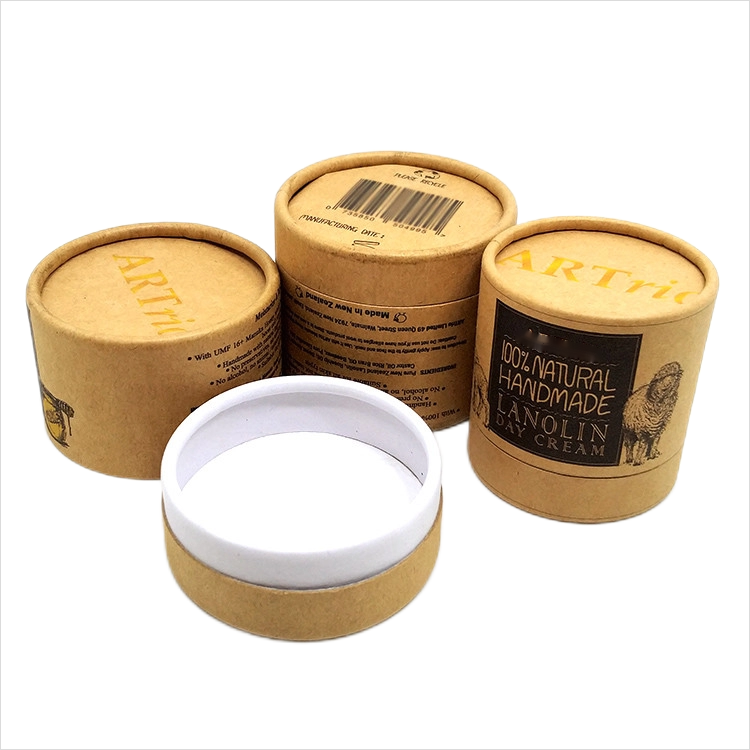
Factors to Consider When Choosing Paper Tube Packaging
Product Size and Shape Compatibility
Choosing paper tube packaging starts with knowing your product’s size and shape. The tube must fit snugly to avoid movement inside. Items like rolled posters, cosmetics, or food products often need cylindrical tubes matching their length and diameter. Measure your product carefully—too much space risks damage; too little space makes packing difficult.
Some products have unique shapes needing specialty tubes, like triangular or conical forms. These can enhance brand appeal while providing a better fit. Also, consider the product’s fragility. Round tubes distribute pressure evenly, protecting delicate items better than square boxes. For fragile goods, adding foam or molded inserts inside the tube can improve protection.
Material and Durability Requirements
Material choice impacts strength and protection. Paper tubes come in various materials like kraft paper, recycled paperboard, or composite layers. Kraft paper offers a natural look and is eco-friendly, while composite tubes add moisture resistance and durability.
Thickness matters too. Thicker walls resist crushing and are better for heavy or fragile products. Lightweight items can use thinner tubes to save cost. For food or cosmetics, food-grade or moisture-resistant materials ensure product safety and freshness.
If your product needs airtight or moisture barriers, consider tubes with inner foil liners or sealed end caps. These features keep contents fresh and secure. Durability also means tubes should withstand shipping and handling without damage.
Branding and Aesthetic Appeal
Packaging reflects your brand identity. Paper tubes provide a premium feel, especially when customized with printing and finishes. You can print logos, product info, or vibrant graphics directly on the tube. Techniques like foil stamping, embossing, or matte coatings add luxury and texture.
The tube’s color, shape, and closure style affect consumer perception. For example, eco-conscious brands often choose kraft paper with minimalist designs to highlight sustainability. Others may opt for glossy finishes and bold colors to stand out on shelves.
A well-designed tube not only protects but creates an engaging unboxing experience. This can encourage social media sharing and repeat purchases. Remember, packaging is part of your product story.
Customization Options for Paper Tube Packaging
Paper tube packaging offers a wide range of customization options, making it easy to tailor packaging to your product’s unique needs. Customization not only ensures a perfect fit but also enhances brand visibility and user experience. Here’s a closer look at the main ways you can customize paper tubes:
Size and Shape Customization
One of the biggest advantages of paper tubes is their flexibility in size and shape. You can order tubes in various diameters and lengths to snugly fit your product, preventing movement and damage during shipping. Whether your item is a slim lipstick, a rolled poster, or a bulky candle, there’s a tube size that matches.
Beyond standard cylinders, specialty shapes like triangular, square, or conical tubes are available. These unique shapes help your product stand out on shelves and appeal to specific industries such as cosmetics or textiles. Custom shapes also improve packing efficiency for oddly shaped items.
Manufacturers can produce tubes with wall thicknesses adjusted for durability or weight savings. For example, thicker walls protect fragile goods, while thinner tubes save cost for lightweight products.
Printing and Labeling Options
Branding is crucial, and paper tubes provide an excellent canvas for it. You can print your logo, product info, or vibrant graphics directly on the tube surface. Popular printing methods include:
Flexographic printing: Great for large volumes, offering consistent colors and sharp images.
Digital printing: Ideal for small runs or complex designs with many colors.
Screen printing: Adds texture and vivid colors for premium looks.
Additional finishing touches like foil stamping, embossing, debossing, or matte/gloss coatings add luxury and tactile appeal. These effects elevate your packaging’s perceived value and create a memorable unboxing experience.
Labeling options include custom stickers or hang tags for added product details or promotions. Transparent windows on tubes can also showcase the product inside, combining protection with visual appeal.
End Closure Variations
The way a paper tube closes impacts usability, security, and presentation. Common closure types include:
Push-on caps: Simple, secure, and reusable, ideal for cosmetics or food products.
Telescopic lids: Two-piece tubes where the lid fits over the body, offering a premium feel.
Butted ends: Tubes with glued ends, perfect for industrial or mailing uses.
Bottom push-up mechanisms: Allow consumers to push the product up, great for cosmetics like lip balms.
Child-resistant caps: Provide safety for products needing restricted access.
Some tubes feature airtight or moisture-resistant seals, essential for food, tea, or powder packaging. Choosing the right end closure ensures product freshness, ease of use, and brand differentiation.
Industry Applications of Paper Tube Packaging
Food and Beverage Industry
Paper tube packaging suits food and beverage products well. It offers a protective, eco-friendly way to keep items fresh and safe. For instance, tea leaves, coffee beans, and powdered spices often come in food-grade paper tubes lined to preserve flavor and prevent moisture. These tubes also provide a premium look that helps brands stand out on shelves.
The packaging's cylindrical shape fits many food items perfectly, like snack sticks or candy rolls. Plus, paper tubes can be sealed airtight or include foil liners to extend shelf life. This makes them ideal for products needing freshness and hygiene. Many craft beverage brands also use paper tubes for gift packaging, such as for specialty beers or spirits, enhancing the unboxing experience and brand appeal.
Cosmetics and Skincare Industry
In cosmetics and skincare, packaging must protect delicate contents and reflect brand identity. Paper tubes provide a sturdy, stylish option for items like lip balms, deodorants, essential oils, and face masks. Their customizable surface allows vibrant printing, embossing, or foil stamping, creating a luxury feel.
Moreover, paper tubes align with the growing demand for sustainable packaging in beauty products. Brands use recyclable, biodegradable tubes to appeal to eco-conscious consumers. Specialty closures, such as push-on caps or child-resistant lids, add safety and convenience. The tubes’ shape also protects fragile glass bottles or jars inside while offering a tactile, memorable unboxing experience.
Textiles and Apparel Industry
Textile and apparel industries use paper tubes primarily as cores for winding fabrics, yarns, or threads. These tubes provide strong support, keeping materials tightly rolled and preventing damage during storage or transport. Spiral wound paper tubes are popular here due to their durability and smooth surface.
Beyond cores, some apparel brands use paper tubes for packaging accessories like scarves or ties, giving a unique presentation that boosts brand image. The tubes are lightweight, reducing shipping costs, and can be customized in size and print to fit specific product lines. Their eco-friendly nature also resonates with sustainable fashion trends, making paper tube packaging a smart choice for textile businesses.
Sustainability and Environmental Impact
Eco-Friendly Materials Used
Paper tube packaging often uses materials that are kind to the environment. Most tubes are made from kraft paper or recycled paperboard. These materials come from renewable resources and reduce waste by reusing fibers. Some manufacturers also use FSC-certified paper, ensuring the wood comes from responsibly managed forests. Additionally, natural adhesives and water-based inks help keep the tubes biodegradable and non-toxic.
Using eco-friendly materials means your packaging supports a circular economy. It lowers reliance on plastics and harmful chemicals, which can pollute soil and water. For products needing extra protection, some tubes include compostable liners or coatings instead of plastic films. This keeps the entire package sustainable while maintaining product quality.
Recyclability and Biodegradability
One major sustainability advantage of paper tubes is their recyclability. After use, consumers can easily recycle them through standard paper recycling programs. Unlike plastic containers, paper tubes break down quickly in composting environments, returning nutrients to the soil without leaving microplastics behind.
Biodegradability means the tubes decompose naturally over time. This reduces landfill waste and lowers the carbon footprint of packaging. Many brands highlight this feature to appeal to eco-conscious customers who want products that cause less harm to the planet.
Recyclability and biodegradability depend on avoiding mixed materials like plastic windows or metal caps. When these are necessary, choosing recyclable or compostable alternatives helps maintain the package’s green credentials.
Consumer Preference for Sustainable Packaging
Consumer demand for sustainable packaging is growing rapidly. Surveys show a large percentage of shoppers prefer brands using eco-friendly materials. Many buyers are willing to pay more for products with recyclable or biodegradable packaging. They also tend to share positive reviews and recommend brands that align with their environmental values.
Paper tube packaging taps into this trend by offering a visible sign of commitment to sustainability. Its natural look and feel reinforce the brand’s green message. Furthermore, creative printing and finishing techniques can highlight eco-certifications or recycling instructions, educating consumers and encouraging responsible disposal.
Brands that invest in sustainable paper tubes often see increased customer loyalty and stronger market positioning. This makes eco-friendly packaging not just good for the planet but also smart for business.
Cost Considerations and Commercial Viability
Cost-Effectiveness of Paper Tube Packaging
Paper tube packaging offers a cost-effective solution compared to many traditional packaging materials like plastic, metal, or glass. Its lightweight nature reduces shipping costs, as carriers often charge based on weight and volume. Additionally, paper tubes are generally cheaper to produce, especially when made from recycled or kraft paper. This makes them attractive for businesses aiming to balance quality and budget.
However, costs vary depending on tube size, wall thickness, and customization level. For example, thicker tubes or those with special coatings for moisture resistance may cost more. Still, these costs often offset by reduced product damage and enhanced brand value.
Minimum Order Quantities and Pricing
Many manufacturers set minimum order quantities (MOQs) for paper tube packaging. Traditional production lines might require thousands of units, which suits large brands but can be a barrier for startups or small businesses. Fortunately, advances in digital printing and shared tooling have lowered MOQs significantly, sometimes to just a few hundred pieces. This flexibility helps smaller brands test markets or launch limited editions without high upfront costs.
Pricing also depends on printing complexity and finishes. Simple kraft tubes cost less than tubes with full-color digital prints, foil stamping, or embossing. It's wise to request detailed quotes and samples before committing to bulk orders.
Logistics and Storage Implications
Paper tubes' cylindrical shape means they don't stack as efficiently as rectangular boxes, potentially requiring 10–25% more warehouse space for the same number of products. This can increase storage and handling costs. However, smart design choices—such as optimizing tube diameter and height—can improve packing density.
Their lightweight and sturdy construction help reduce breakage during transit, lowering replacement costs. Also, paper tubes compress less than some flexible packaging, protecting fragile products better. When planning logistics, consider how tubes fit with existing shipping methods and whether specialized packaging inserts are needed.
Conclusion
Paper tube packaging offers eco-friendly, customizable, and durable solutions for various industries. It enhances product protection and brand appeal. Choosing the right packaging involves assessing product size, material, and branding needs. HF PACK provides tailored paper tube solutions, ensuring your product stands out while remaining sustainable. Their expertise in customization and quality ensures your packaging meets both functional and aesthetic requirements, delivering exceptional value to your brand.
FAQ
Q: What is paper tube packaging?
A: Paper tube packaging is a cylindrical container made from paperboard or cardboard layers, designed to protect products during storage and transport. It is eco-friendly, recyclable, and biodegradable.
Q: How do I choose the right paper tube packaging for my product?
A: Consider your product's size, shape, fragility, and branding needs. Match the tube type and material to ensure optimal protection and presentation.
Q: Why is paper tube packaging beneficial?
A: Paper tube packaging is durable, customizable, and eco-friendly, making it ideal for protecting products while enhancing brand appeal.
Q: What are the cost considerations for paper tube packaging?
A: Paper tube packaging is cost-effective due to its lightweight nature, reducing shipping costs. Pricing varies based on size, material, and customization level.
Q: How does paper tube packaging compare to other packaging types?
A: Compared to plastic or metal, paper tube packaging is more sustainable and often cheaper, offering a balance of protection, branding, and environmental benefits.


