In the modern world of packaging, where sustainability, branding, and consumer experience are more important than ever, businesses are seeking smarter, more innovative solutions. One growing trend is the use of cardboard tube containers, a packaging method that is both eco-friendly and visually distinct. But how do these cylindrical packages compare to more traditional forms of packaging, such as plastic bottles, glass jars, metal tins, and paperboard boxes?
This article offers a detailed comparison between cardboard tube containers and traditional packaging, exploring their benefits, challenges, and overall value to brands and consumers.
Visual Appeal and Branding
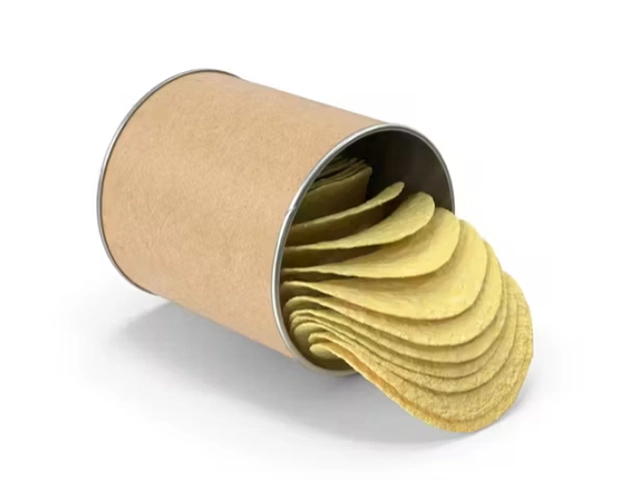
One of the biggest advantages of cardboard tube containers is their distinct shape. Most packaging today follows the same basic form—rectangular boxes, plastic bottles, or glass jars. When a cylindrical cardboard tube is placed on a retail shelf, it immediately stands out. Its unique shape grabs attention and invites curiosity.
Cardboard tubes also provide a continuous 360-degree surface for branding. This makes it easy for companies to print logos, patterns, and information in a seamless, artistic way. Many high-end and eco-conscious brands use cardboard tubes as a way to tell a story about their identity, values, and mission.
In contrast, traditional packaging is often more limited in design flexibility. A square box or flat plastic pouch can carry branding, of course, but it may not deliver the same visual impact. Plastic and glass also often require labels, which can peel, wrinkle, or fade over time. While traditional packaging is widely recognized and easy to use, it doesn’t necessarily offer the same novelty or design potential.
Environmental Impact
Sustainability is no longer just a trend—it's a necessity. Consumers are increasingly looking for products that align with environmentally friendly values, and packaging plays a huge role in this decision.
Cardboard tube containers are typically made from recycled paper or kraft board. Many of them are biodegradable, recyclable, and compostable. This makes them a far more sustainable choice compared to traditional packaging, particularly plastic, which can take hundreds of years to decompose.
Even when traditional packaging materials like glass or metal are recyclable, they often come with a high carbon footprint during production and transport. Glass, for example, requires intense energy to produce and is much heavier than cardboard, making transportation less efficient. Plastic is cheap and durable but is one of the most harmful materials to ecosystems and oceans. Even when recyclable, a large portion of plastic still ends up in landfills.
When brands choose cardboard tube containers, they’re sending a clear message to customers: we care about the environment. This not only helps the planet but also builds trust and loyalty among eco-conscious consumers.
Protection and Functionality
The main job of any packaging is to protect the product inside. Traditional packaging often excels in this area. Plastic, glass, and metal offer strong barriers against moisture, air, and UV light. They are widely used for products that need to remain fresh, sterile, or stable over long periods—such as food, liquids, or chemicals.
Cardboard tubes are sturdy and durable, but on their own, they may not be suitable for all types of products. For dry goods, solid items, or products already placed in a protective inner container, they work extremely well. However, for items that require an airtight seal or need protection from oils and moisture, cardboard tubes often need an internal lining made of foil, biodegradable plastic, or wax paper.
In some cases, this added inner layer can reduce the overall recyclability of the tube, depending on the materials used. However, many manufacturers are now offering fully compostable linings to address this issue.
In terms of portability and ease of use, traditional packaging tends to offer more options like pump dispensers, resealable lids, and squeeze-friendly designs. This makes it better suited for products used frequently, like lotions or food condiments. Cardboard tubes, on the other hand, often offer a satisfying unboxing experience, particularly for gift items or limited-edition releases.
Cost Considerations
Cost is a vital factor for any business. Traditional packaging, especially plastic and paperboard boxes, benefits from economies of scale. These materials have been mass-produced for decades, and the machinery used to create them is highly optimized. As a result, traditional packaging options often come at a lower per-unit price, especially when ordered in large quantities.
Cardboard tube containers can be more expensive upfront. They require more intricate manufacturing processes, especially when customized with printing, embossing, foil stamping, or eco-certified materials. For small businesses or startups, the initial investment in custom tubes may seem high.
However, it’s important to view packaging as more than just a cost. High-quality packaging can elevate a product’s perceived value, allowing brands to set higher price points and attract premium customers. A beautifully designed cardboard tube can reduce the need for excessive advertising or branded outer boxes, offering value in other areas of the marketing strategy.
Customization and Consumer Experience
Packaging is an extension of the brand. It influences the customer’s first impression, user experience, and perception of product quality. With cardboard tubes, brands have the opportunity to create something that feels premium and personal.
From natural textures and muted colors to bold patterns and elegant finishes, the design possibilities are virtually endless. The smooth, paper-based surface is ideal for printing and tactile finishes that appeal to the senses. Some brands go even further by designing their tubes to be reusable—consumers often keep them to store other items, which extends the life of the packaging and reinforces the brand image long after the product is gone.
Traditional packaging also offers customization, but it often relies on stickers, shrink sleeves, or molded shapes. These can be attractive, but they may not feel as special or handmade. For mass-market products, traditional packaging might still make sense. But for boutique brands, specialty items, or eco-conscious products, cardboard tubes often offer a deeper level of engagement.
Shipping and Logistics
When it comes to shipping and storage, practicality is key. Traditional packaging—especially rectangular boxes—has the advantage of space efficiency. Boxes and flat packs can be tightly arranged, saving space in warehouses and reducing shipping costs.
Cardboard tubes, being round, can leave gaps when packed in bulk. This means fewer products per shipment or the need for additional packaging materials to prevent movement and damage. In some industries, this may not be a concern, especially if the product is sold directly to consumers rather than in bulk to retailers.
That said, cardboard tubes are often lighter than glass or metal, which reduces fuel use during transport. The difference in shape may add some logistical challenges, but they are rarely a deal-breaker when considered alongside the branding and sustainability benefits.
Final Thoughts: Which Should You Choose?
Choosing between cardboard tube containers and traditional packaging depends on your product type, brand identity, budget, and environmental goals. Traditional packaging—like plastic, glass, or metal—tends to be more cost-effective and offers reliable protection, especially for mass-market products needing durability and airtight sealing.
However, if your brand emphasizes sustainability, creativity, and strong customer connections, cardboard tube containers are a smart choice. They stand out on shelves, support eco-friendly values, and enhance the unboxing experience, making them ideal for brands aiming to leave a lasting impression.


